
%20(1)_edited.png)
Illinois Land Improvement Contractors Association, Inc.
News

USDA’s NRCS Unveils New Conservation Priorities to Keep Working Lands in Working Hands
The U.S. Department of Agriculture (USDA) is putting farmers first and reaffirming this commitment by updating its strategic priorities, motto and mission and vision statements for the Natural Resources Conservation Service (NRCS). These updates complement NRCS’s historic role in providing practical, voluntary, and locally led conservation solutions for producers.
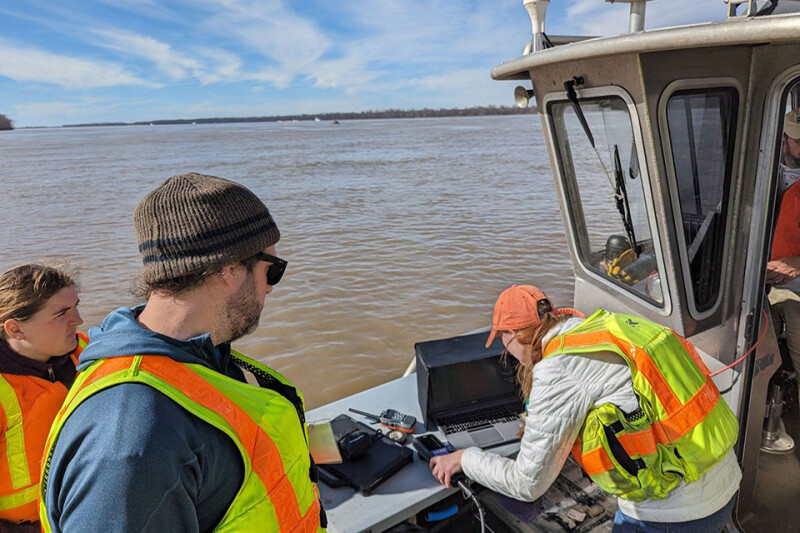
NOAA Gulf Hypoxia 2026 Forecast
The dead zone is technically a hypoxic zone, where dissolved oxygen levels are too low to support marine life, causing die-offs of fish, shellfish, corals, and aquatic plants. The annual phenomenon is mainly caused by excess nutrient pollution from cities and farm areas throughout the Mississippi-Atchafalaya watershed.

House Committee Approves Transportation FY 2027 Appropriations
The House Appropriations Committee approved the FY 2027 transportation funding bill that would cut nearly $10.7 billion (10.4%) for highway construction below the FY 2026 levels. The measure advanced 34-27, with all Republicans supportive and all Democrats opposed.

E15 Legislation Being Drafted
Senate Majority Leader John Thune (R-SD) says Senators are working on a new bill that would allow year-round sales of E15 higher blends of ethanol motor fuel.

Senate Continues Negotiations on Farm Bill
Senate Agriculture Committee Chair John Boozman (R-Arkansas) continues to work with members of that committee on the Senate version of the Farm bill in hopes of taking up and approving the measure prior to the Congressional August recess. The timing means the markup would take place between July 13 and Aug. 7, according to the Senate legislative calendar.

Congress Moves on FY 2027 USDA Appropriations - LICA Seeks Support for NRCS/FSA Funding
Congress has begun the process of approving the 12 annual appropriations bills that will provide funding for federal agencies/programs in FY 2027. On June 4 the full House passed the USDA funding measure (H.R. 8646) in a tight 213–210 vote. The House bill approved a $26.27 billion discretionary allocation, which represents a 1.4% decrease from FY 2026 funding levels.

How Much Water Does A Drain Tile Remove?
Have you ever wondered how much water a drain tile removes? Does a larger outlet pipe drain a field faster? Are there differences in drain pipes that would affect the amount of drainage? Let’s explore some of these questions.

Task Force Reports Progress Toward Pollution Reduction Goals for Gulf of America
U.S. Environmental Protection Agency (EPA), as co-chair of the Gulf of America Hypoxia Task Force, reported progress meeting voluntary, interim goals to reduce excess nutrients that can enter the Mississippi/Atchafalaya River Basin and flow into the Gulf of America, impacting water quality. A key finding of this report is that state-led actions helped achieve and surpass the nitrogen reduction goal for 2025.

Precision Drainage Begins with Soil and Water Basics
“Precision” has been the trend in agriculture for the last few decades. Advancements like auto-steering, yield monitors, remote sensing/imagery, and variable rate technologies have allowed farmers to be more efficient and productive, and to lessen impacts on water, natural resources, and the environment. So, how does “precision” apply to drainage?

LICA: A Word from the Board Chair
Over the past six months, the Land Improvement Contractors of America has continued to build momentum in ways that position our organization for a strong and successful future. From leadership transitions to meaningful industry engagement, it has been an exciting and productive time for LICA.

Legacy P: What You Need to Know
A recent study has revealed that legacy phosphorus (P) significantly contributes to water quality degradation, accounting for 83–100 percent of dissolved reactive phosphorus loss in Ohio and Indiana. New P, from recently applied fertilizers, contributed only 0–17 percent. These findings underscore the urgent need for strategies to mitigate legacy P to enhance water quality.

Q&A with A CCA: Drainage Water Recycling
Two organizations, Transforming Drainage.org and the Environmental Defense Fund, provide practical descriptions for DWR. Drainage water recycling is the practice of capturing excess water drained from fields, storing it in a pond, reservoir, or drainage ditch, and using it to irrigate crops during periods of water deficit.

Railroad Grade Crossing Safety Improvement Funding Available
The U.S. Department of Transportation’s Federal Railroad Administration (FRA) last week opened a $1.1 billion funding round to improve safety at railroad grade crossings. Funding under the Crossing Safety Program comes from the 2021 Infrastructure Investment and Jobs Act to address over 2,000 collisions and nearly 300 fatalities yearly since 2021.

House Transportation Committee Approves Highway Reauthorization
The House Transportation and Infrastructure Committee passed a five-year surface transportation reauthorization bill after a marathon 15-hour legislative markup session that began on May 21 and ended in the early morning of May 22. The committee adopted the bill by a vote of 62-2 with three members not voting. Existing highway and transit authorizations are set to expire Sept. 30.

Enrollment Open for Emergency Watershed Protection Program – Floodplain Easements (EWPP-FPE)
This program provides an opportunity for landowners whose property has been impacted by severe or repeated flooding to voluntarily enroll land into floodplain easements. Through EWPP-FPE, NRCS works with landowners to restore natural floodplain functions, reduce future flood risks, and improve environmental quality, while removing their property from production.

USDA Invests $65 Mil for Projects that Help Farmers Improve Operations & Conserve Natural Resources
The U.S. Department of Agriculture (USDA) today announced the availability of $65 million in funding this year for new tools, approaches, practices and technologies to further natural resource conservation on private lands through the Conservation Innovation Grants (CIG) program.
CIG is supported by the Working Families Tax Cuts Act (WFTCA), which increased funding for farm bill conservation programs, like the Environmental Quality Incentives Program (EQIP), which funds CIG.

Deere Faces New Law Suit Over Right-to-Repair
After reaching a settlement over a right-to-repair lawsuit with farmers in April, Deere & Co. is facing a new class action suit that alleges it also unfairly restricted repairs for its construction, lawn, and turf equipment. The case was brought by Christy Webber & Co., a landscaping operation in Chicago that services city landmarks like Soldier Field, Millennium Park and Navy Pier.
NRCS Chief Resigns
Natural Resources Conservation Service (NRCS) Chief Aubrey Bettencourt has resigned from the agency, according to a letter sent to staff as reported by Agri-Pulse. Colton Buckley, NRCS associate chief, will assume the role of chief.

Well-Positioned: How a Company Blossomed through GPS Integration
There can never be too many Cooks in the drainage “kitchen.” For Mike Cook, helping farmers plot and tile their fields for better water management has been not only a lifelong interest, but a family affair.

LICA's View: Strength in People
Greeting from Illinois! I am Steve Anderson the new president of LICA for 2026. It is a return for me as I served here in 2015. I have been a LICA member for close to 40 years now. Words don’t really express the value it has brought me: from simple knowledge to relationships that cross borders. LICA is quite the association for the drainage contractor, as well as the earthmovers involved in the moving of dirt.