
%20(1)_edited.png)
Illinois Land Improvement Contractors Association, Inc.
News

The Edge of Disaster: Why Surface Protection is the First Line of Defense
A worker standing just 18 inches from the edge of a trench feels like they are on solid ground. To the naked eye, the dirt is unmoving. However, to a soil engineer, that worker is standing directly on a “failing wedge”— a segment of soil that has already lost its structural integrity and is simply waiting for a trigger to slide.
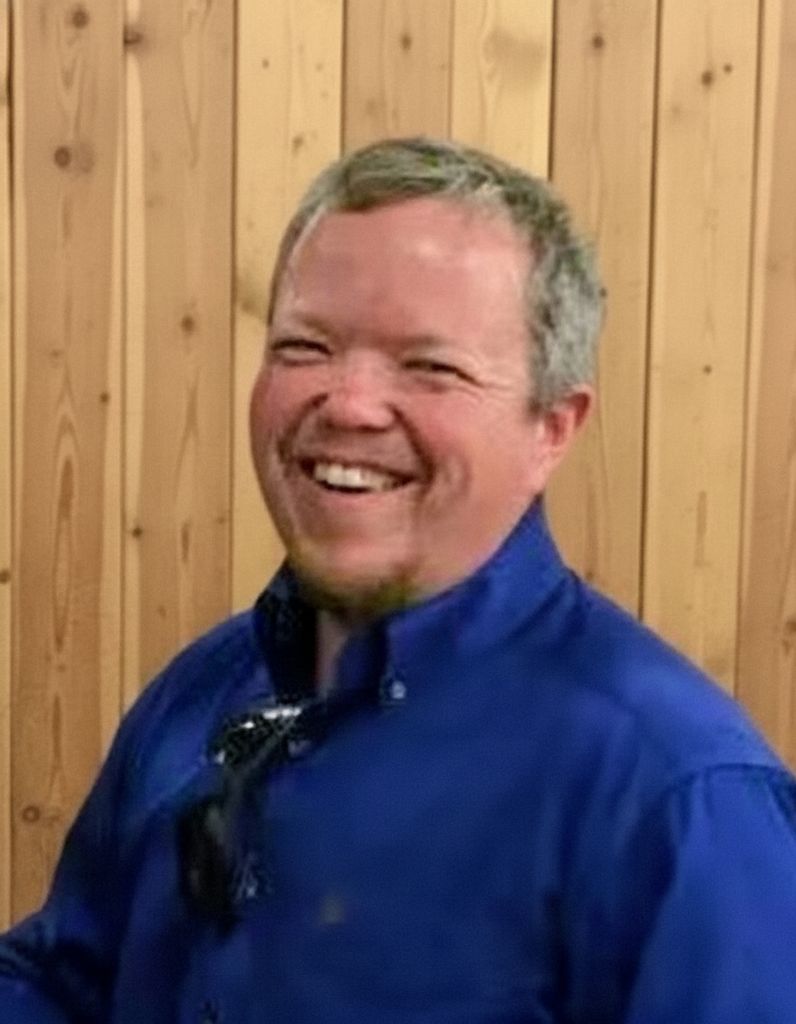
Honoring Jason Brown
It’s one of those announcements you never expect to see, and it left me stunned. On Monday, May 18th, Mid America Trenchers announced the passing of its president, Jason Brown.
Jason is gone far too soon, but the impact he had on his family, friends, customers, and the industry was greater than most people ever achieve.

Leaders in Soil Health Multiply Statewide Outreach Efforts
The Soil Health Leadership Program helps farmers, retailers, crop advisors, and conservation professionals improve their understanding of soil health principles and the production management changes needed to maximize on-farm benefits of soil health systems.
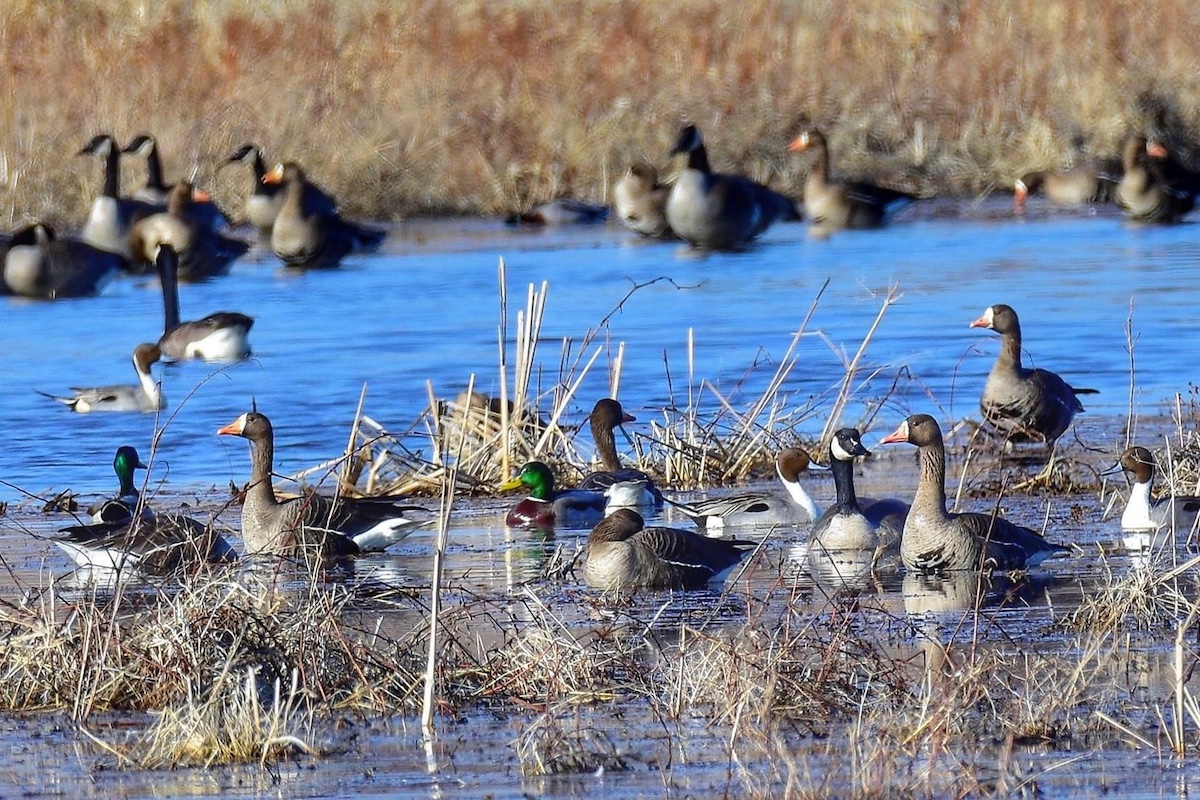
Wetland Restoration Initiative is Restoring Shallow Wetlands as Stopover Habitats
The availability of stopover habitats – shallow wetlands and flooded agricultural fields – is critical for building up energy reserves necessary for successful reproduction. In short, the more wetland habitat we can provide in the spring, the healthier ducks will return to the breeding grounds, and the more young ducks we should see in the fall.

Optimizing Through Modelling
Drainage contractors are skilled from the outset in creating and executing drainage plans for individual fields, and they also grow in experience every year. They’re also, like professionals in any other sector, keen to use new science and new technology to make minor – or major – improvements to the services they offer.

Farm Bill Passes House - Senate Consideration Expected Soon
On April 30 the House finally passed a farm bill by a 224-200 vote. The Farm, Food, and National Security Act, includes several key provisions for conservation aimed at supporting private land stewardship and enhancing wildlife habitat. Attention now focuses on the Senate, where Agriculture Committee Chair John Boozman, R-Ark., is targeting the end of May or early June for a bill markup.

Research Highlights Saturated Buffer Success
New research from Michigan State University (MSU) reveals that saturated buffers improve water quality more than originally anticipated, significantly reducing nitrate load by 66% compared to standard tile drainage systems.
Ehsan Ghane, MSU associate professor and Extension specialist, shared insights gained from real-world installations of saturated buffers during an Iowa Learning Farms webinar last week.

To Tile or Not to Tile: Mitigating Damage in Lake Champaign
With nearly half of phosphorus load that runs into Lake Champlain coming from agricultural production, farmers, researchers and industry alike are banding together to help create a more long-term solution, while continuing to foster a productive agricultural industry.

Before You Shred: Know Which Tax Records to Keep
Tax documents can accumulate quickly. While clearing out old files can feel productive, it’s important not to discard anything until you’ve reviewed some record-retention guidelines.

Electrical Safety on Construction Sites
Electrocution is one of the leading causes of workplace fatalities — and construction consistently ranks among the most hazardous industries. With crews working near overhead power lines, buried utilities, and temporary electrical systems, electrical risk is a daily reality on job sites.

A 'Smart' Way to Manage Water: Automated Controlled Drainage
Managing water and the timing of water has become one of the biggest challenges in crop production, especially in recent years marked by wet springs followed by dry summers. Controlled drainage systems are an option for helping farmers better manage subsurface water.

NRCS Announces Second Application Sign-ups for Agricultural Land Easements
The U.S. Department of Agriculture (USDA) is establishing a second national deadline for agricultural producers and landowners to apply for fiscal year 2026 assistance in the Agricultural Conservation Easement Program (ACEP) through the Natural Resources Conservation Service (NRCS). The new deadline for entities to apply is May 29, 2026.

NACD Applauds House Farm Bill Passage
The Act supports key programs, under Title II, that conservation districts help deliver each day, such as the Environmental Quality Incentives Program (EQIP), Conservation Stewardship Program (CSP), Regional Conservation Partnership Program (RCPP), Agricultural Conservation Easement Program (ACEP), and Conservation Reserve Program (CRP).

Illinois Scientists Sound the Alarm on Field Inundation, Work with Farmers to Find Solutions
Larry Dallas’ farm in Central Illinois’ Douglas County is as flat as it gets. That’s a good thing for planting straight rows and maneuvering farm equipment in the field, but there’s a major downside, too. “Heavier rain is hard for us to deal with because of the poorly drained soils and the lack of any roll to the ground. It's hard for the water to get away when the rain starts,” Dallas said. “We have installed a lot of drainage tile trying to mitigate that.”

USDA Announces $52 Million to Boost Public Access to Private Lands for Hunting and Fishing
The U.S. Department of Agriculture (USDA) is announcing $52 million to help state and tribal governments encourage private landowners to allow public access to their land for hunting, fishing and other wildlife-dependent recreation through the Voluntary Public Access and Habitat Incentive Program (VPA-HIP).
Tips from the Trench: One Size Does Not Fit All
You may have trenches that look identical on the surface, yet as you dig down, the variables can completely change the risk profile. With that said, there are some factors we need to really understand:

Change in Reporting Requirements for Wages
The Illinois Department of Employment Security (IDES) is providing this notice due to a change in the Illinois Administrative Code. Beginning on July 1, 2026, employer contribution payments to a worker’s 401(k) plan made on and after that date are no longer considered to be “wages” for purposes of the Illinois Unemployment Insurance Act.
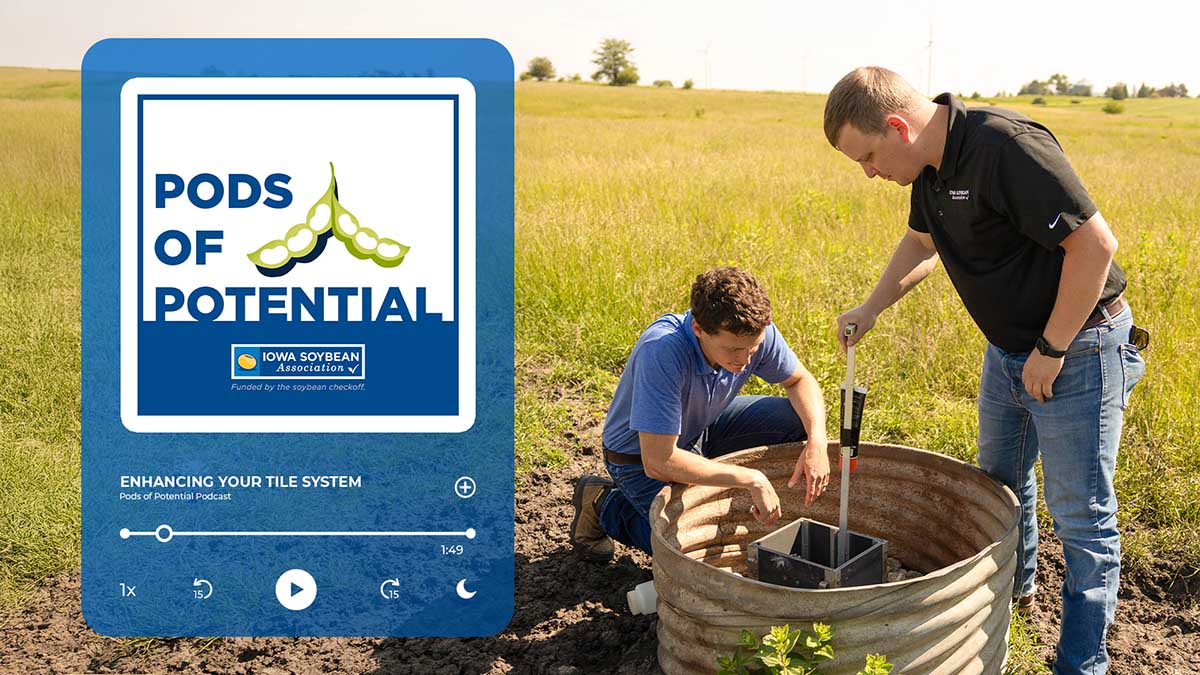
How Conservation Practices Enhance Your Tile System
Farmers across Iowa use tile systems to drain excess water from their farm fields. But did you know tile drainage can be paired with a buffer strip to enhance water quality?

More than a Pile of Woodchips: The Forest Stewardship-Bioreactor Connection
If you’re a regular reader of the ILF Blog, you’ve most likely heard of the Forest-to-Farmeffort, an interdisciplinary research-extension effort aimed at increased denitrifying woodchip bioreactor adoption while simultaneously addressing a range of issues facing Iowa’s woodlands and forest products industry.

IDALS: Batch-&-Build, Cost Share Lead to Adoption in Conservation
Iowa ag secretary Mike Naig stated this week that the state’s farmers, despite “very reach challenges,” set important records and hit big milestones for conservation. “The pace of adoption continues to accelerate as more farmers, landowners, partners, practices, people and resources are added.”