
%20(1)_edited.png)
Illinois Land Improvement Contractors Association, Inc.
News

Tips from the Trench: One Size Does Not Fit All
You may have trenches that look identical on the surface, yet as you dig down, the variables can completely change the risk profile. With that said, there are some factors we need to really understand:

Change in Reporting Requirements for Wages
The Illinois Department of Employment Security (IDES) is providing this notice due to a change in the Illinois Administrative Code. Beginning on July 1, 2026, employer contribution payments to a worker’s 401(k) plan made on and after that date are no longer considered to be “wages” for purposes of the Illinois Unemployment Insurance Act.
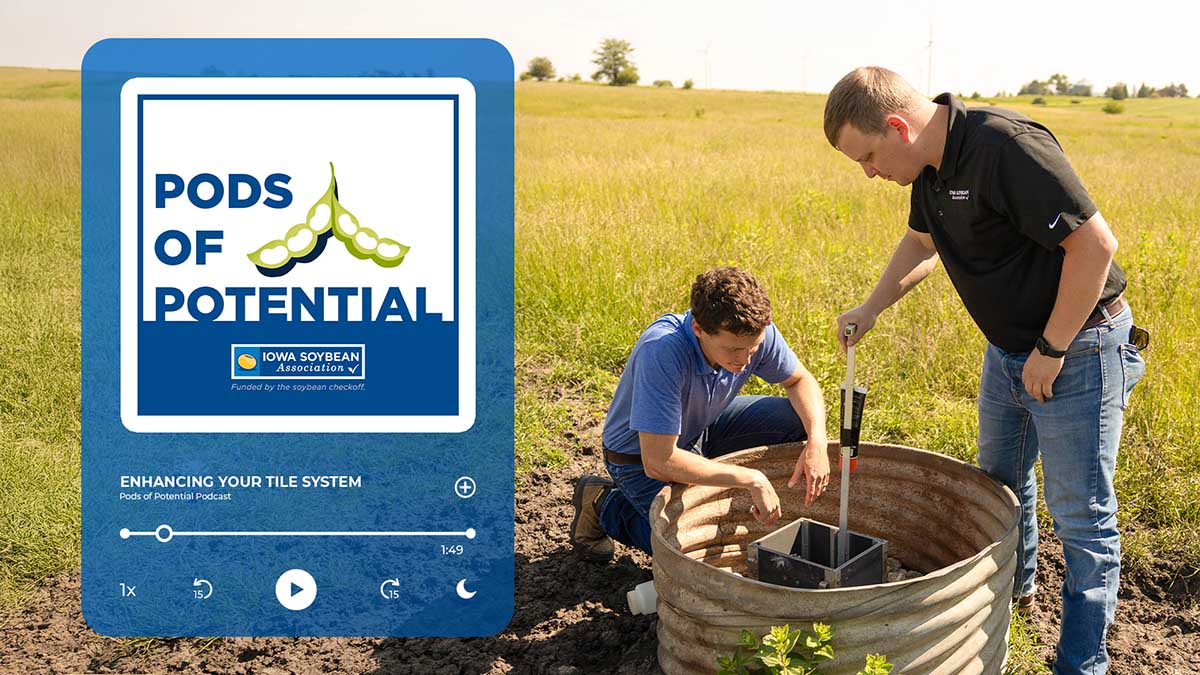
How Conservation Practices Enhance Your Tile System
Farmers across Iowa use tile systems to drain excess water from their farm fields. But did you know tile drainage can be paired with a buffer strip to enhance water quality?

More than a Pile of Woodchips: The Forest Stewardship-Bioreactor Connection
If you’re a regular reader of the ILF Blog, you’ve most likely heard of the Forest-to-Farmeffort, an interdisciplinary research-extension effort aimed at increased denitrifying woodchip bioreactor adoption while simultaneously addressing a range of issues facing Iowa’s woodlands and forest products industry.

IDALS: Batch-&-Build, Cost Share Lead to Adoption in Conservation
Iowa ag secretary Mike Naig stated this week that the state’s farmers, despite “very reach challenges,” set important records and hit big milestones for conservation. “The pace of adoption continues to accelerate as more farmers, landowners, partners, practices, people and resources are added.”
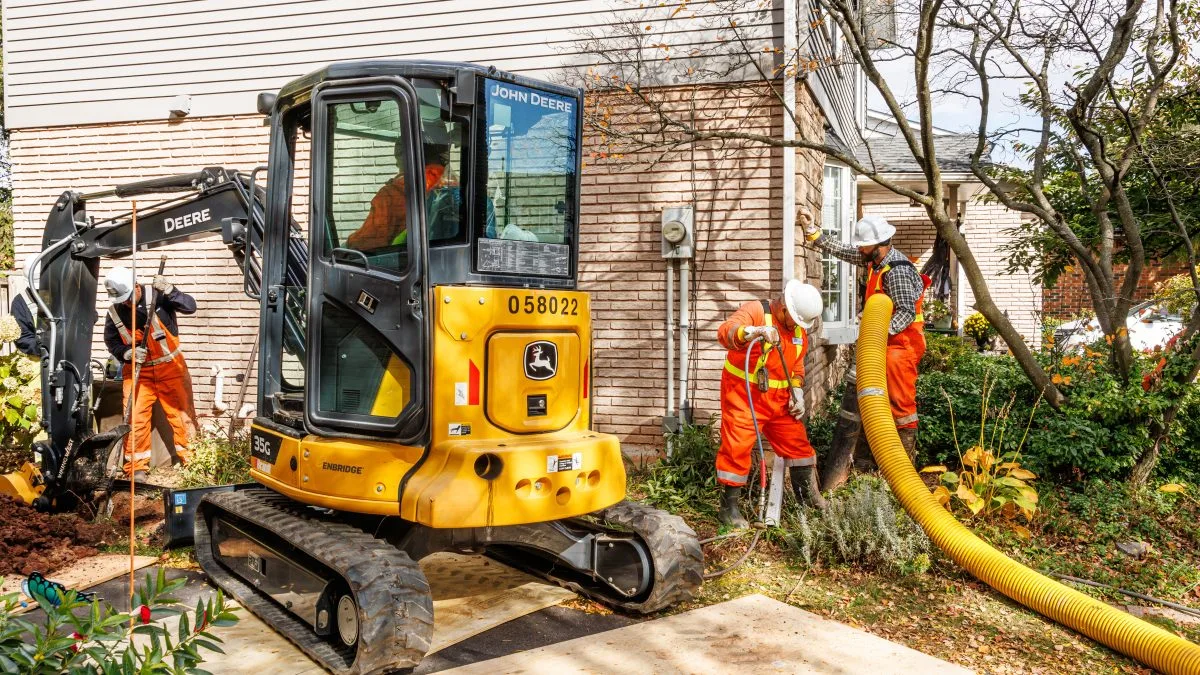
National Safe Digging Month Highlights Important Job Site Reminders
Every excavation project starts the same way: a crew, a plan and a patch of ground that looks like any other. What’s harder to see, and far more dangerous, is what lies beneath.
Digging Into Iowa's Hidden Nitrate Filters
As a farmer and excavating contractor, Farm Bureau member Jacob Handsaker knows we often need to look beneath the surface to understand what’s happening – especially when it comes to farmers’ efforts to protect nearby streams from nitrate runoff.

US Department of Labor Updates National Emphasis Program to Protect Workers from Heat Hazards
The U.S. Department of Labor's Occupational Safety and Health Administration today updated its National Emphasis Program that protects workers from outdoor and indoor heat-related hazards to direct agency resources where they can make the biggest impact – focusing inspections and outreach in industries and workplaces where heat stress risks are most likely to occur.

President Adjusts Tariffs on Metal Products
President Donald Trump issued a proclamation to overhaul his steel, aluminum and copper tariffs, adjusting how duties are applied to imports of the raw metals and downstream products containing the metals.

Administration Budget Request Focuses on Defense – Proposes Agriculture and Water Cuts
The budget requests a major increase in defense spending, proposing a record $1.2 trillion. Significant cuts are proposed for agriculture and water programs with highway and bridge programs fairing better. The administration proposed similar cuts in last year’s budget which Congress did no adopt.
Promising Mid-Research Results from Pilot Watershed Project At Shallow Run
A relatively small watershed in Hardin County is producing encouraging results in the ongoing effort to improve water quality flowing toward Lake Erie. Researchers with The Ohio State University say the Shallow Run Pilot Watershed Project is already showing significant reductions in phosphorus runoff after just a few years of concentrated conservation practice adoption by farmers in the watershed.

How Smart Farm Infrastructure Upgrades Can Squeeze Out Extra Margin
Leading agricultural economists and industry experts are emphasizing what most farmers have already taken to heart about 2026 expenditures: Spend only where you can identify a clear, realistic path to higher returns or lower costs sooner than later.

Farmer Efforts Lead to Record Conservation Gains
“We hit exciting conservation milestones in 2025, and we battled very real challenges along the way,” said Iowa Department of Agriculture Secretary Mike Naig. “And yet we continued to make progress because farmers said yes to conservation, even in a challenging ag economy. The pace of adoption continues to accelerate as more farmers, landowners, partners, practices, people and resources are added.”

2026 Illinois LICA Scholarship Recipients Announced
Three outstanding young leaders have been chosen as the 2026 Illinois LICA Scholarship winners, showcasing achievements and aspirations that reflect their drive to make a meaningful impact in their chosen fields.

Extension Cord Safety
Extension cords are commonly used in the workplace to provide temporary power, but they can introduce several hazards if not selected, used or maintained properly. This resource serves as a training aid for those conducting safety meetings, toolbox talks or tailgate sessions.

Managing Water, Not Just Moving It
Farmers do not invest in drainage to lose nutrients or send money downstream. Today’s tiling companies focus on helping farmers protect their investment while improving water quality by using systems designed to manage water more precisely, not simply moving it faster.

Utility Strikes Aren't an Awareness Problem, They're an Execution Problem
Every excavation project starts the same way: a crew, a plan and a patch of ground that looks like any other. What’s harder to see, and far more dangerous, is what lies beneath. Utility strikes remain one of the most persistent jobsite risks. Across the U.S., hundreds of thousands of utility damages are reported each year, many of them avoidable, according to the Common Ground Alliance (CGA).
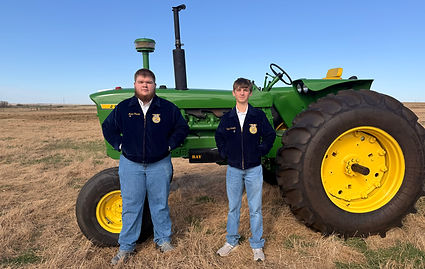
Purple Wave Auctioning Restored 1968 John Deere 4020 Tractor For Local FFA Chapter
Purple Wave Auction is proud to support the Alva, Okla. FFA chapter with their 1968 John Deere 4020 restoration project, auctioning the tractor on April 15 and donating 100 percent of the buyer's premium back to the Alva FFA Chapter.

Steady Growth for Drain Tile Market, Provided Ag Investment Uninhibited: Report
The global tile drainage pipes market will continue to expand in and past 2026, says global analysis firm IndexBox. But that expansion will be more strategic as demand rises significantly and steadily throughout the next decade.

New National LICA ConX Benefit Released
LICA National is introducing a new member benefit through a partnership with ConX‑USA, a workforce labor‑sharing and management platform built for the construction and skilled‑trades industry. This partnership comes in direct response to the labor shortages and workforce visibility challenges contractors continue to face.